-
Which Little Bopper Are We Talking About?
-
Scenario 1: You’re Starting a Rental Company From Scratch
-
Scenario 2: You Already Have Inflatables—and a Small Unit Feels Like a Downgrade
-
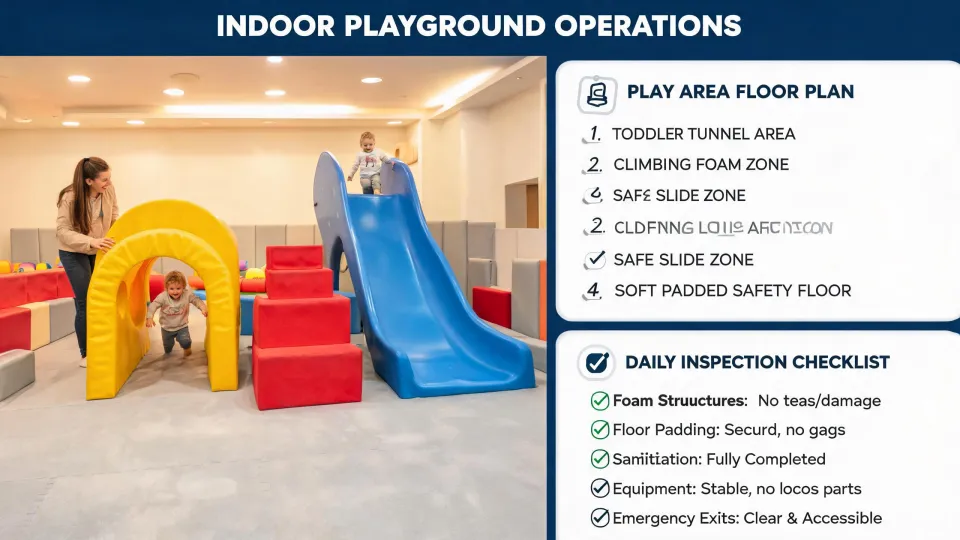
Scenario 3: You Run a Venue, Daycare, or Indoor Play Space
-
One Safety-Check Rule I Now Use
-
So Which Scenario Are You In?
Should you order a Blast Zone Little Bopper bounce house for your business? I can’t answer with a plain yes or no until I know which of three scenarios you’re in. If someone gives you one universal answer, they probably haven’t lived through the mistakes I’ve made.
I’m the person who handles inflatable orders for an event company. Since 2018 I’ve personally made and documented 14 significant buying mistakes. The total is roughly $18,000 in wasted budget. That number is embarrassing, but it’s useful: I keep a checklist now so the next mistake isn’t a repeat.
Which Little Bopper Are We Talking About?
Just to avoid a costly misunderstanding: when I say Little Bopper, I mean the commercial-duty compact bouncer with the blast-zone label on the spec sheet. Similar-looking residential toys cost less, but they’re not built for steady commercial use. The material, seams, blower requirements, and inspection expectations are different.
The Little Bopper works best for younger kids, tight spaces, and bookings where a huge slide is overkill. It is not the centerpiece for a teenage party. That’s not a flaw; it’s a job description.
Scenario 1: You’re Starting a Rental Company From Scratch
This is where I see the most self-inflicted pain. From the outside, a smaller price tag makes the Little Bopper look like a low-risk way to enter the business. The reality is that the inflatable is only one line in your startup budget.
Before you buy, you still need blowers, anchors, ground cover, extension cords, a repair kit, and probably commercial insurance. That list is not romantic, but it is expensive.
I once tried to save around $200 by skipping a spare blower. The original blower died on the third rental. I paid $320 for an overnight replacement, plus $180 in refunds, and still lost the customer’s trust. That one decision cost more than the spare blower would have cost for the life of the unit.
So if you’re in Scenario 1, my advice is simple: don’t buy until you have real demand. Family members saying “that looks cool” doesn’t count. Wait until you have at least five actual inquiries from people who asked for a small toddler bouncer and were willing to pay. If you already have that demand and the budget for extras, the Little Bopper can be a strong first unit. It’s compact enough to haul without a semi, and an experienced person can set it up faster than a giant slide.
Scenario 2: You Already Have Inflatables—and a Small Unit Feels Like a Downgrade
Here’s the advice that sounds backwards: if your fleet is built around big combo slides, adding a Little Bopper might give you the best utilization improvement per dollar you’ll see this year.
I went back and forth between the Little Bopper and another large combo for two weeks. The combo had higher rental value per booking. But our own records showed 14 lost inquiries for small toddler bounces in the previous 12 months. Those families did not want a huge slide. They wanted something small enough for a modest backyard or a low-ceiling party room.
We bought the Little Bopper in 2023, and those lost inquiries became 38 paid bookings in the first season. It didn’t cannibalize the big units as much as I feared. It simply filled jobs the big units couldn’t handle.
If you run an established rental company, start logging every request you turn down. If you’re seeing a pattern of “too big for this space” calls, that’s your market telling you to add a smaller unit. Buying a compact model because of that record—not because it’s cheap—is the opposite of a downgrade.
Scenario 3: You Run a Venue, Daycare, or Indoor Play Space
Venue owners have a different decision. The Little Bopper isn’t competing with another rental unit; it’s competing with floor space. If you have an awkward corner and want to add something for young visitors without a full renovation, a compact bouncer from Blast Zone is worth considering.
But daily-use inflatables get punished more than weekend rentals. You need a commercial-duty model and a staffing plan. Someone has to inspect it before use, supervise it while it’s up, and clean it after. If you treat it like a piece of playground equipment that can run itself, you are creating both a liability problem and a customer complaint problem.
The themed design of the Blast Zone units is a nice differentiator; it doesn’t look like every generic rainbow bouncer. Themes don’t replace inspections, though. Keep the serial number, the manufacturer cert, and your own daily check sheet together.
One Safety-Check Rule I Now Use
Per FTC guidance (ftc.gov/business-guidance/advertising-marketing), objective claims about safety and durability must be truthful and substantiated. That sounds like a legal slogan, but it works as a buying filter. When a supplier says a unit is commercial-grade or meets a standard, I ask to see the manual and the certificate. If they answer with adjectives instead of evidence, I move on.
I’m not a lawyer, and this isn’t legal advice. It’s just the rule I use after losing money on assumptions.
So Which Scenario Are You In?
I don’t tell people “go with your gut.” I ask three questions:
- How many actual paying requests for a small toddler bouncer did you turn down in the last 12 months?
- Can you set it up, take it down, and store it with the staff you already have?
- Can you cover a spare blower, an anchor system, and a repair or inspection within the first 90 days?
If Number 1 is zero and Number 2 or 3 is shaky, don’t buy yet. Rent a Little Bopper for a few events or partner with a nearby operator who owns one. That gives you real numbers instead of guesses.
If Number 1 is five or more and Number 2 and 3 are solid, waiting is the only expensive mistake left.
If you’re a venue or daycare with steady foot traffic but no rental calendar, treat this as Scenario 3. Buy the daily-use commercial model, not a weekend rental version, and budget for the inspection routine from day one.
One more personal opinion: if you’re a smaller operator, don’t let a supplier make you feel like your question is too small. I started with relatively modest orders. The vendors who answered beginner questions clearly are the ones I still call now that the budgets are bigger. A good supplier helps you pick the right tool for your actual situation—not just the most expensive one on the page.
The Blast Zone Little Bopper is a solid option when it fits your demand, space, and operating reality. The mistake isn’t choosing the wrong inflatable. The mistake is choosing before you know which scenario you’re in.